How Safe Is Liposuction Farmington Hills? Key Facts to Consider
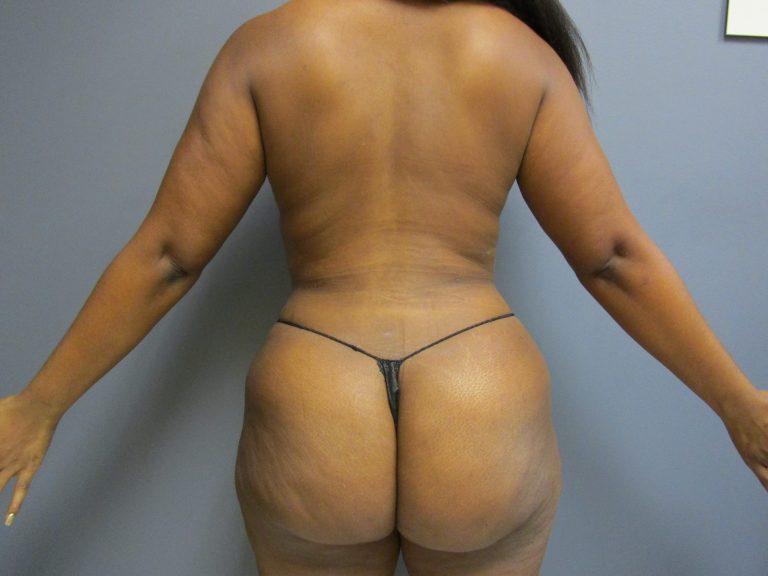
Liposuction has been around long enough that many people think of it as routine. In one sense, that is true. Experienced plastic surgeons Liposuction Farmington HIlls perform it every week, often with smooth recoveries and satisfying results. But “routine” should never be confused with “casual.” Liposuction is still surgery. It involves anesthesia, fluid shifts, tissue trauma, postoperative compression, and a recovery period that can be easy for one patient and surprisingly demanding for another.
If you are researching Liposuction Farmington Hills, the right question is not simply whether the procedure is safe. The better question is: under what conditions is it safer, and what factors raise the risk? That distinction matters because safety is not built into the name of the procedure. It comes from patient selection, surgical judgment, facility standards, and how seriously the aftercare is handled.
People often start their search by looking at before and after photos. Those images can be useful, but they do not tell you how carefully the surgeon screens patients, how much volume they remove in one session, what kind of anesthesia support is available, or what happens if a patient becomes lightheaded, develops a seroma, or calls at 9 p.m. With one leg suddenly much more swollen than the other. Safety lives in those details.
What “safe” really means with liposuction
No surgery is risk free. A safe liposuction procedure is one where the surgeon has minimized foreseeable risk through planning, technique, and follow-up. That starts well before the operating room. It includes a candid review of your medical history, your weight stability, your medications, your smoking status, any prior surgeries, and your goals. It also includes an honest answer to a question some patients do not love hearing: are you actually a good candidate for liposuction, or would another approach be wiser?
Liposuction removes pockets of fat. It is not a treatment for obesity, and it does not tighten significant loose skin. Many disappointing or risky outcomes happen when the procedure is used to solve the wrong problem. For example, a patient in their mid-40s may want aggressive abdominal liposuction after weight loss, but if they also have muscle laxity and substantial excess skin, liposuction alone can leave the area more irregular rather than flatter. A careful surgeon explains that trade-off instead of taking the case simply because the patient is eager to proceed.
The safest results usually come from matching the technique to the anatomy and keeping the operative plan within sensible limits. That often means treating a moderate amount of localized fat, not chasing every contour issue in one session.
The factors that affect liposuction safety the most
Patients often assume the technology matters most. In practice, the fundamentals matter more. Whether a surgeon uses traditional suction-assisted liposuction, power-assisted liposuction, ultrasound-assisted liposuction, or another variation, the basic drivers of safety are surprisingly consistent.
Here are the factors that tend to matter most:
- Surgeon training and board certification
- Patient health and candidacy
- Accredited surgical facility and anesthesia support
- Reasonable treatment volume in a single session
- Attentive postoperative care and complication response
That short list covers most of what separates a well-managed case from a preventable problem.
Surgeon experience is not just a marketing phrase
Patients often hear that a surgeon is “experienced,” but that word can be vague. Experience should mean more than years in practice. It should mean regular performance of liposuction, comfort handling different body areas, disciplined patient selection, and enough judgment to say no when the requested procedure is not likely to be safe or worthwhile.
Board certification in plastic surgery is one of the first things to verify. It does not guarantee a perfect outcome, but it is a meaningful baseline. It indicates formal training, exams, and a professional framework built around surgical standards. In cosmetic surgery consultations, I have seen patients focus on office aesthetics, social media presence, or personality, while skipping basic credential checks. That is backwards. A warm bedside manner is helpful. Competent surgical judgment is essential.
You also want to know where the procedure will be performed. An accredited ambulatory surgery center or hospital-based setting offers a different safety profile than a non-accredited office setup. Accreditation means the facility has met standards related to equipment, staffing, protocols, and emergency preparedness. If something unexpected happens, those systems matter.
The healthiest candidate usually has the safest experience
A surprisingly large part of liposuction safety has nothing to do with the cannula and everything to do with the patient. Someone at a stable weight, without major uncontrolled medical issues, who does not smoke, and who understands recovery is generally starting from a stronger position.
Smoking deserves special attention. Nicotine constricts blood vessels and can impair healing. Even if liposuction incisions are small, the tissue underneath still needs healthy circulation to recover well. Patients sometimes assume vaping is different enough not to count. From a healing standpoint, nicotine remains a problem.
Medications and supplements also matter. Blood thinners, anti-inflammatory drugs, and even common herbal supplements can increase bleeding risk. A good preoperative review is not paperwork theater. It is one of the places where real complications get prevented.
Weight and body mass index can influence planning too, though not in a simplistic way. A higher BMI does not automatically mean someone cannot have liposuction. But larger-volume procedures tend to carry greater risk, and liposuction is not designed to substitute for broad metabolic or weight management treatment. Safer planning often means setting realistic goals and limiting what is done in a single operation.
Why the amount of fat removed matters
One of the most important safety variables is total volume. This is where advertising can distort expectations. Some patients arrive believing that “more removed” equals “better result.” That is not how experienced surgeons think.
Liposuction involves fluid infiltration, suctioning, tissue swelling, and physiological stress. As volume increases, so can the chance of blood loss, contour irregularity, prolonged Liposuction Farmington HIlls drainage, anemia, dehydration, and other complications. There is no single magic number that defines safe for every person because context matters. Body size, treatment areas, anesthesia type, and overall health all influence decision-making. Still, conservative planning usually improves the safety profile.
A surgeon who recommends a staged approach is not necessarily being overly cautious. In many cases, that recommendation reflects judgment. Taking a measured approach can protect the patient and often produces a cleaner aesthetic result.
Anesthesia and monitoring deserve serious attention
Patients tend to worry about the visible part of surgery, but anesthesia deserves equal respect. Liposuction may be performed under local anesthesia with tumescent technique, intravenous sedation, or general anesthesia, depending on the areas treated and the extent of the procedure. Each option has advantages and trade-offs.
Local tumescent liposuction can be a good choice for select, limited cases. It may reduce some anesthesia-related risks and can make recovery more straightforward. But it is not automatically safer in every scenario. If multiple areas are being treated, or if the patient is highly anxious, moving around, or unable to tolerate a lengthy procedure while awake, another plan may be more appropriate.
What matters is not whether one anesthesia method sounds simpler on paper. What matters is whether it suits the actual case and whether monitoring is robust throughout. Qualified anesthesia professionals, appropriate equipment, and clear emergency protocols all support safety. These are the kinds of details worth asking about directly.
Common risks patients should understand before consenting
Most liposuction recoveries are uneventful, but every informed patient should know the realistic complications, not just the dramatic ones people trade in online forums. The more common issues include bruising, swelling, temporary numbness, firmness, contour irregularities, fluid collections, and asymmetry. These are not trivial, especially if expectations were unrealistic, but they are generally manageable.
There are also less common but more serious complications, including infection, significant bleeding, lidocaine toxicity in poorly managed tumescent cases, fat embolism, blood clots, anesthesia complications, skin injury, and organ perforation. Some of these events are rare, but rarity is not the same as impossibility. Good surgeons talk about them calmly and clearly because informed consent is part of ethical care.
One of the more misunderstood parts of recovery is swelling. Patients often expect to see the “final” result quickly because the incisions are tiny. In reality, swelling can linger for weeks or months, and the tissue may feel oddly firm before it feels normal again. That does not mean something has gone wrong. It means the body is healing.
Recovery is part of the safety story
If you want to judge the safety of Liposuction Farmington Hills, pay close attention to what happens after surgery. A strong recovery protocol lowers risk and helps detect problems early.
A good postoperative plan usually includes guidance on mobility, hydration, compression garments, wound care, signs of infection, and what type of pain or drainage is normal versus concerning. Patients are often surprised to learn that early gentle walking is encouraged. That is because prolonged immobility increases clot risk. At the same time, returning to strenuous activity too soon can worsen swelling and delay healing. Good aftercare balances those competing needs.
Compression garments are another area where patients sometimes struggle. They can feel tedious, especially in warmer weather or during workdays, but they help control swelling and support contour during healing. The exact duration varies, yet compliance often makes a visible difference.
A practical point that does not get enough attention is home support. Even smaller procedures can leave patients sore, groggy, and less steady than expected during the first day or two. A safe plan includes a reliable adult to drive you home and stay with you if advised. Patients who treat liposuction like a long lunch break often make recovery harder on themselves.
Red flags during a consultation
A consultation tells you a great deal, if you know what to watch for. The safest surgeons are not always the most theatrical. They tend to be specific, measured, and unhurried in how they explain options.
Warning signs include the following:
- Guarantees of perfect symmetry or “zero risk”
- Pressure to book immediately or combine too many procedures
- Vague answers about credentials, facility accreditation, or who gives anesthesia
- Little discussion of complications, downtime, or limitations
- Before and after photos that look heavily filtered or poorly standardized
Patients often remember the promise and forget the omissions. If the consultation feels like a sales exercise rather than medical decision-making, step back.
Another subtle red flag is overconfidence about skin tightening. Liposuction can improve contour, but it cannot reliably create the kind of skin retraction some patients imagine, especially after pregnancy or major weight loss. If a surgeon glosses over that limitation, the risk is not only aesthetic disappointment. It also suggests a style of counseling that may underplay other realities.
How local context fits into the decision
When people search for Liposuction Farmington Hills, they are usually weighing convenience along with quality. Staying local can help with logistics. It makes follow-up visits easier, reduces travel stress after surgery, and can simplify access if a concern develops during recovery. Those are real advantages.
But proximity should not outrank credentials and safety systems. A shorter drive is nice. A properly accredited facility with strong anesthesia support is better. Ideally, you get both, but if you must prioritize, choose the stronger medical setup.
It is also reasonable to ask how emergencies are handled. If a patient needs a higher level of care, what is the transfer protocol? Which hospital backup is used? How often does the practice perform liposuction, and who answers after-hours calls? These questions are not dramatic. They are practical.
Combining liposuction with other procedures
Combination surgery is common. Patients may want liposuction with a tummy tuck, breast surgery, or fat transfer. Combining procedures can make sense because it reduces the number of anesthesia events and recoveries. But it also increases operative time and physiological stress.
This is where judgment matters most. A healthy patient having a carefully planned combination procedure in an accredited setting may do very well. A patient trying to maximize “value” by stacking too much into one day can drift into a riskier zone quickly. Longer cases generally demand more from the body, and recovery becomes more complex.
Fat transfer adds another layer. Harvesting fat through liposuction is one procedure. Purifying and reinjecting it safely is another. If your plan involves body contouring plus augmentation elsewhere, discuss how that changes operative time, recovery, and risk.
What a realistic recovery often looks like
The first few days usually involve soreness, drainage from small incisions, swelling, and a stiff, bruised feeling. Many patients describe it as more uncomfortable than painful, though pain tolerance varies. By the end of the first week, daily tasks often feel easier, but swelling is still very much present.
During weeks two through four, energy generally improves, bruising fades, and contour starts to emerge, though the area may still look uneven at times. That unevenness often reflects residual swelling rather than a final result. Full settling can take several months. This timeline surprises patients who expected an instant transformation.
One useful mindset is to think of recovery in phases rather than one finish line. Early recovery is about safety and comfort. Mid-recovery is about swelling control and patience. Late recovery is when refinement becomes visible.
Questions worth asking before you schedule
The best consultations are conversations, not performances. Ask direct questions and listen for direct answers. You should understand who will perform the surgery, where it will take place, what anesthesia is planned, what the backup plan is if something changes, and what your own risk factors may be.
Ask how often the surgeon performs liposuction on your target areas. Ask what kind of contour changes are realistic for your body, not for someone in a photo. Ask how postoperative concerns are handled on weekends and evenings. Ask what signs would prompt an urgent evaluation. A thoughtful surgeon will not be bothered by these questions.
Also ask what happens if a touch-up is needed. Revision policies vary, and not every contour issue is preventable even in careful hands. The point is not to demand guarantees. The point is to understand the practice’s approach to follow-up and accountability.
The bottom line patients often miss
Liposuction can be very safe for the right patient in the right setting with the right surgeon. It can also become riskier than many patients realize when decisions are driven by bargain pricing, unrealistic volume requests, weak screening, or a rushed consultation process.
If you are evaluating Liposuction Farmington Hills, focus less on flashy branding and more on the quiet markers of quality. Board-certified training. Accredited facilities. Clear explanations. Reasonable surgical plans. Honest discussion of limits. Strong follow-up.
Those elements are not exciting, but they are what protect patients. And in cosmetic surgery, that is the standard that matters most.
Aesthetic Plastic Surgery & Laser Center, Michelle Hardaway M.D.
27920 Orchard Lake Rd
Farmington Hills, MI 48334
(248) 221-1957
FAQ About Liposuction Farmington Hills
What disqualifies you from getting liposuction in Farmington Hills?
A surgeon may recommend postponing or avoiding liposuction if a health condition, medication, or nicotine use raises the risk of surgery or poor healing. A consultation is needed to assess your medical history and whether the procedure fits your goals.
Can liposuction remove 20 pounds?
Liposuction is a body contouring procedure for localized fat. It is not a weight loss treatment, and a specific number of pounds is not a safe or useful target. The surgeon determines how much can be removed safely for each patient.
What are the risks of liposuction?
Risks include infection, changes in sensation, uneven contours, and complications from anesthesia or blood clots. A plastic surgeon can explain which risks apply to you and what to expect during recovery.